2025 has come to an end and we've welcomed in a brand new year! So, what are you planning for your business in 2026? It might be a little early to have a solid roadmap, but it's never too soon to start brainstorming.
In this blog series, we're focusing on marketing strategies, and how you can best prep to get to most for your business. We'll look at topics like competitor research, the best tools to use, and so much more. So strap in and take a look at part 1 of crafting a killer marketing strategy.
Align your aims
First things first, you need to go back to the future. Don’t worry, no Delorean needed, just a good vision and understanding of what you want your business to achieve in 2025 and beyond. Ask yourself:
- Is brand awareness most important to you right now?
- How about increasing website trac?
- Or do you need to drive more sales as a priority?
As tempted as you might be to start posting memes and splattering ads across the net, don’t go in blind. Pick your focal point(s) and use these to underpin your strategy, guide your efforts, and make results measurable. Ultimately, it depends on what stage your business is at now and what you need to do to survive and thrive.
Know your audience
A lot can change in 12 months, and that includes your audience. From attention spans and social media activity, to product tastes and consumer behaviours, it pays to be agile with your target customer. Look at your existing tracking software to get a better picture of their demographic, shopping habits and preferred social media platforms.
All this can help you identify why your audience has grown, shrunk or changed, and it should be a regular exercise to stay one step ahead of challenges and opportunities – especially before you plan your new year marketing strategy.
Want to take it to the next level? Then tap into select members of your current customers with surveys, interviews and/or feedback incentives to gain even more valuable insight. Monzo are particularly good at hitting different audience segments across their platforms:
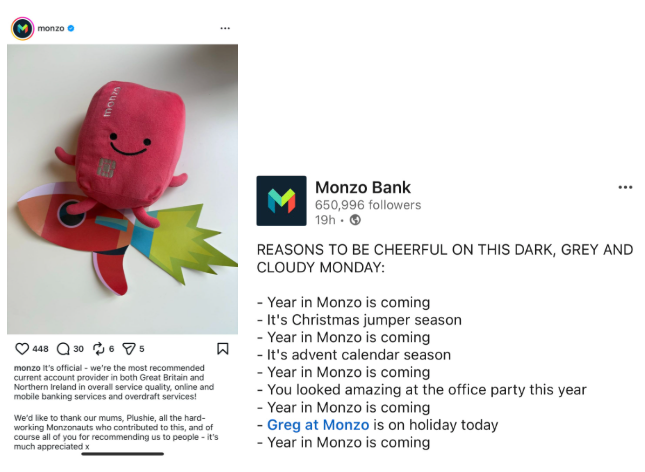
Monzo uses relatable jokes for their LinkedIn audience, and informative, but eye-catching content on their Instagram. Clarity on who and where your audience are in your strategy will make it much easier to grab their attention in practice.
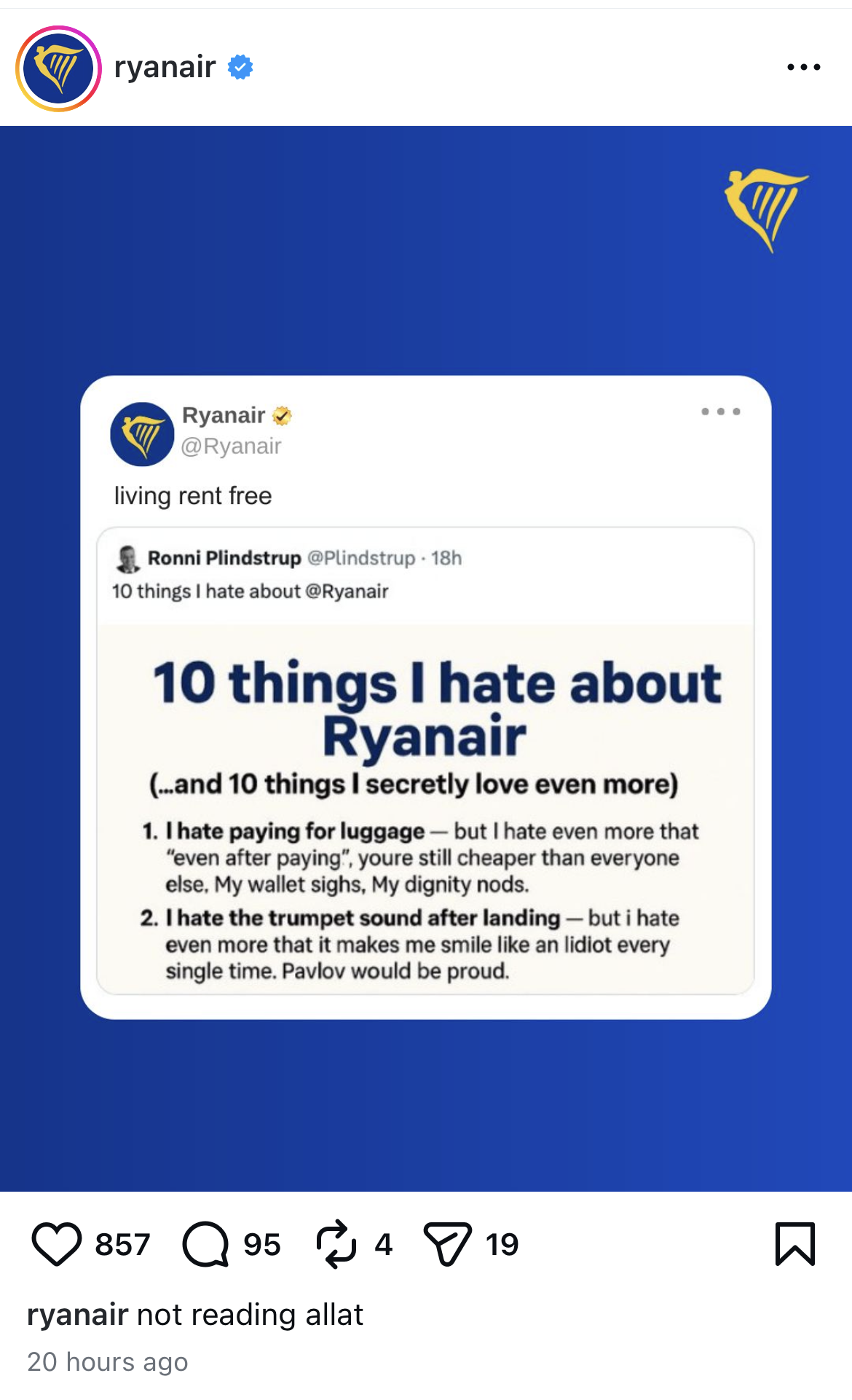
We also love how Ryanair are able to poke fun at themselves, commenting on some of the feedback they receive across social media and twisting it to work in their favour.
Research the competition
Keep your friends close and your enemies closer – AKA your competition. Getting the scoop on your competitors is essential if you don’t want your sales to be swallowed up by rivals. Maybe you already knew that, but it’s amazing how many businesses blend into the background rather than stepping out ahead of the crowd.
Get analytical with whichever approach suits your business best, like a SWOT analysis or Porter’s Five Forces, for example. This will guide your research with purpose and help you identify what your audience is doing, and more importantly, what they’re not doing. For example, you might discover that one of your competitors is harnessing Instagram, but haven’t tapped into TikTok yet – leaving a perfectly you-sized gap in the market.
Research aside, you can also cap the competition by being first in with reactive content. Comment on a topical issue before your competitor and get the attention of the sector before it becomes old news. This reactive approach also plays well for a bit of good old-fashioned trash talk. The acceptance of this varies industry by industry, but look no further than the big supermarkets for inspo:
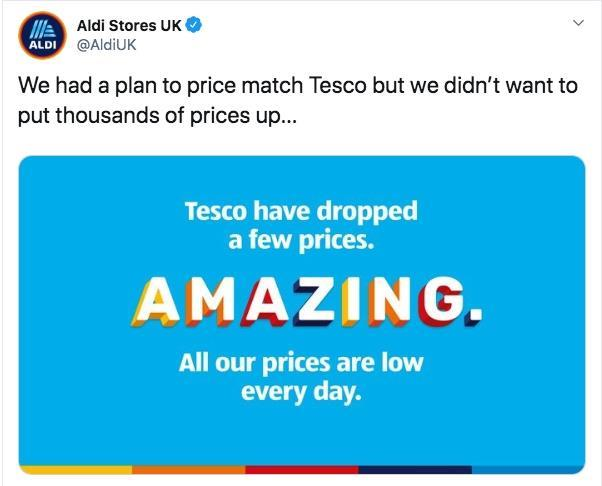
Simple, inoffensive, and playfully competitive. Aldi are champions at this and just about get away with it. But we recommend treading carefully to avoid it backfiring – particularly where politics and real-world issues are concerned.
Where to next?
That concludes part 1 of our guide to crafting a killer marketing campaign. To summarise:
- Align your aims – look back on what went well last year, and what you want to carry over into your current strategy. Decide on some key aims before posting anything.
- Know your audience – who are they and what do they like? Cater to what your customers and clients will relate to or find useful.
- Research the competition – check out what your competitors are doing and learn from them.
Keep an eye on our blog for part 2, and in the mean time if you need any help with any of our products or services, don't hesitate to get in touch! You can call us on 0333 0142 700 or message us via live chat.
Our January sale is packed full of deals to get you online! Until 31st January, you can get Website Builder for just 50p/month for 6 months, Professional Email for 50p/month for 12 months, and a domain for £1. Grab these deals now because once it's gone, it's gone!